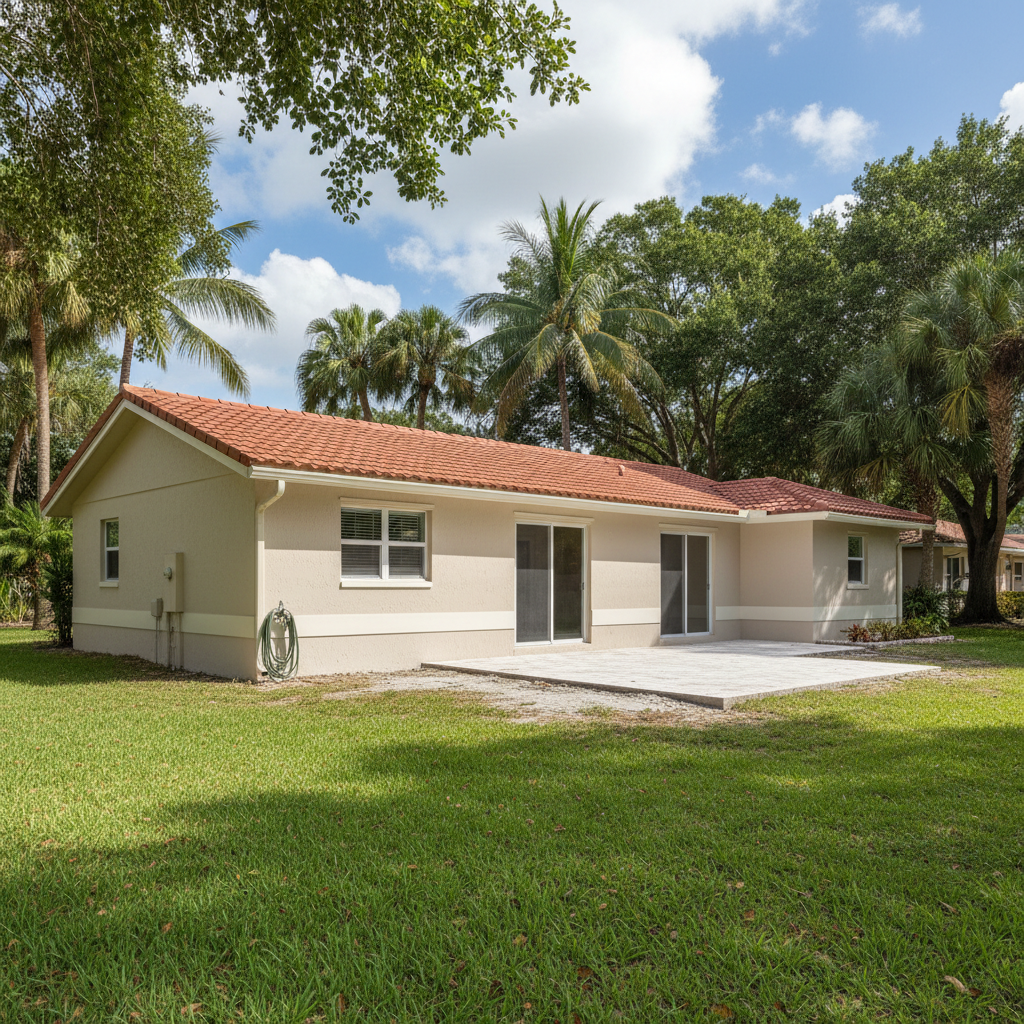
You ever wonder why some homes seem to get hit harder by water damage than others, even on the same street? A lot of it comes down to understanding our local climate here in Miramar and how it affects your house. It's not just about a big storm; it's the constant humidity, the sudden downpours, and even how your AC drains.
Summer: Hurricane Season & Hidden Leaks
Let's start with summer, because that's when things really get interesting around here. June through November is officially hurricane season, but you don't need a named storm to get serious water damage. Those afternoon thunderstorms we get almost daily? They can dump inches of rain in an hour. If your gutters are clogged, or your landscaping isn't sloped away from your foundation, that water's going straight into your house.
I've seen it countless times, especially in older neighborhoods like those around Miramar Parkway and University Drive. Folks think their roof is fine, but a small crack or a loose shingle, combined with relentless rain, can lead to a slow drip that you don't notice until there's a huge stain on your ceiling or, worse, mold growing in your attic. This is prime time for roof inspections. Don't wait until the water's pouring in. Get those gutters cleaned, check your downspouts, and make sure they're directing water well away from your home's foundation.
Another thing about summer: your AC is working overtime. That means a lot of condensation. If your AC drain line gets clogged, that water has to go somewhere, and it's usually into your attic or ceiling. We get calls for this all the time. It's a simple fix if you catch it early, but if you let it go, you're looking at drywall replacement and maybe even mold remediation.
Fall & Winter: Still a Threat
You might think once hurricane season winds down, you're in the clear. Not so fast. While the big storms are less frequent, we still get plenty of rain. Plus, the cooler, drier air (when we actually get it) can sometimes expose issues that were masked by the constant humidity. For instance, a small leak in your plumbing might dry out quickly in the summer, but in the fall, with less evaporation, it could sit and cause more damage.
This is a good time to check your plumbing fixtures, especially under sinks and around toilets. Small, slow leaks can go unnoticed for weeks, leading to serious rot and mold. Also, if you've got any outdoor spigots, make sure they're not dripping. Even a small drip can cause significant erosion or foundation issues over time, especially with our sandy, porous soil here in South Florida.
Spring: Prepping for the Storms Ahead
Spring is your last chance to really get things in order before the summer deluge. This is when you should be doing your annual roof check, cleaning out those gutters one last time, and making sure your landscaping is properly graded. If you've got any trees overhanging your roof, consider trimming them back. Falling branches during a summer storm are a common cause of roof damage and subsequent water intrusion.
It's also a good idea to check your window and door seals. Over time, they can crack and shrink, letting water seep in. A little caulk can save you a lot of headaches later. Think of it as preventative maintenance. An ounce of prevention is worth a pound of cure, especially when it comes to water damage.
When to Call Absolute Restoration
Look, sometimes despite your best efforts, water happens. A pipe bursts, a storm overwhelms your defenses, or you come home to a flooded bathroom. That's when you need to act fast. Water damage doesn't get better with time; it only gets worse and more expensive to fix. The quicker you get the water out and the area dried, the less chance you have of mold growth and structural damage.
If you've got standing water, or even just a persistent dampness after a leak, don't try to handle it all yourself. You might get the surface dry, but the moisture can still be lurking in your subflooring, walls, or insulation. We've got the right equipment – industrial-strength dehumidifiers, air movers, moisture meters – to properly dry out your home and prevent secondary damage. At Absolute Restoration, we're on call 24/7 because we know water damage doesn't stick to a 9-to-5 schedule. Getting us in there quickly can save you thousands in repairs and keep your home healthy.
Protecting your investment year-round here in Miramar means staying vigilant. It's not just about reacting to a disaster; it's about being proactive and understanding the unique challenges our South Florida climate throws at us.