When your home gets hit with water, especially from a flood, it's a real gut punch. I've seen it countless times here in Miramar, from those heavy summer downpours that just overwhelm our drainage systems to plumbing failures that turn a living room into, well, a wading pool. It's incredibly stressful, and you're probably wondering what the heck you're supposed to do next. You've got questions, and I'm here to give you some honest answers — no marketing fluff, just the straight talk.
What's the absolute first thing I should do after a flood?
Your first move, before anything else, is always safety. If the water came from outside, assume it's contaminated. If it’s from an internal source, like a burst pipe, and you can safely turn off the main water supply, do that right away. Then, if there's any chance water has reached electrical outlets or appliances, cut the power to that area from your breaker box. Seriously, don't wade into standing water if you're not sure it's safe. Once you've handled the immediate danger, call your insurance company. They'll want to know what happened and get the ball rolling on your claim. After that, call a professional restoration company like Absolute Restoration. We can get boots on the ground quickly to assess the damage and start mitigation.
How quickly do I need to start the drying process to prevent mold?
You really don't have much time at all. Mold can start growing within 24 to 48 hours if conditions are right – and believe me, here in South Florida, the humidity levels are almost always 'right.' That's why a rapid response is so critical. The longer water sits, the deeper it penetrates materials like drywall, wood, and insulation, and the higher your chances of a serious mold problem become. We're not just talking about surface drying; we're talking about getting moisture out of the very structural components of your home. If you wait even a few days, you're looking at a much more complicated and, frankly, more expensive restoration job.
Will my homeowner's insurance cover flood damage?
This is a big one, and it's where a lot of folks get tripped up. Standard homeowner's insurance policies typically do NOT cover flood damage. 'Flood' usually refers to water coming from outside your home, like an overflowing canal or heavy rain causing street flooding. For that, you need a separate flood insurance policy, often through the National Flood Insurance Program (NFIP). However, if the water damage is from an internal source, like a burst pipe, a leaking appliance, or an overflowing toilet (as long as it's not due to sewer backup, which is often a separate rider), then your standard homeowner's policy usually kicks in. Always check your specific policy and talk to your agent. They're the experts on your coverage, after all.
What's the difference between 'drying' and 'dehumidifying' in flood restoration?
They go hand-in-hand, but they're distinct steps. Drying is about removing visible standing water and then using high-powered air movers to evaporate moisture from surfaces and materials. Think of it like blowing on a wet spot to make it disappear faster. Dehumidifying, on the other hand, is about removing the moisture from the air itself. As those air movers do their job, they release moisture into the air. If you don't remove that airborne moisture, it'll just settle back into other materials, making the drying process ineffective and creating a perfect breeding ground for mold. So, we use industrial-grade dehumidifiers to pull that moisture out of the air, creating a dry environment that stops mold growth and helps dry out your home's structure.
Do I really need to throw out all my wet belongings?
Not necessarily all of them, but you'll need to be selective. Porous materials like upholstered furniture, mattresses, carpets (especially with padding), and anything made of paper or cardboard that's been saturated by contaminated water usually can't be saved. They're just too difficult to clean and dry thoroughly, and they're prime candidates for mold growth. Non-porous items like metal, glass, or hard plastics might be salvageable after thorough cleaning and disinfection. It's a judgment call based on the type of water (clean, gray, or black), the material, and how long it's been wet. We'll help you sort through what can be restored and what needs to go.
How long does the entire flood restoration process usually take?
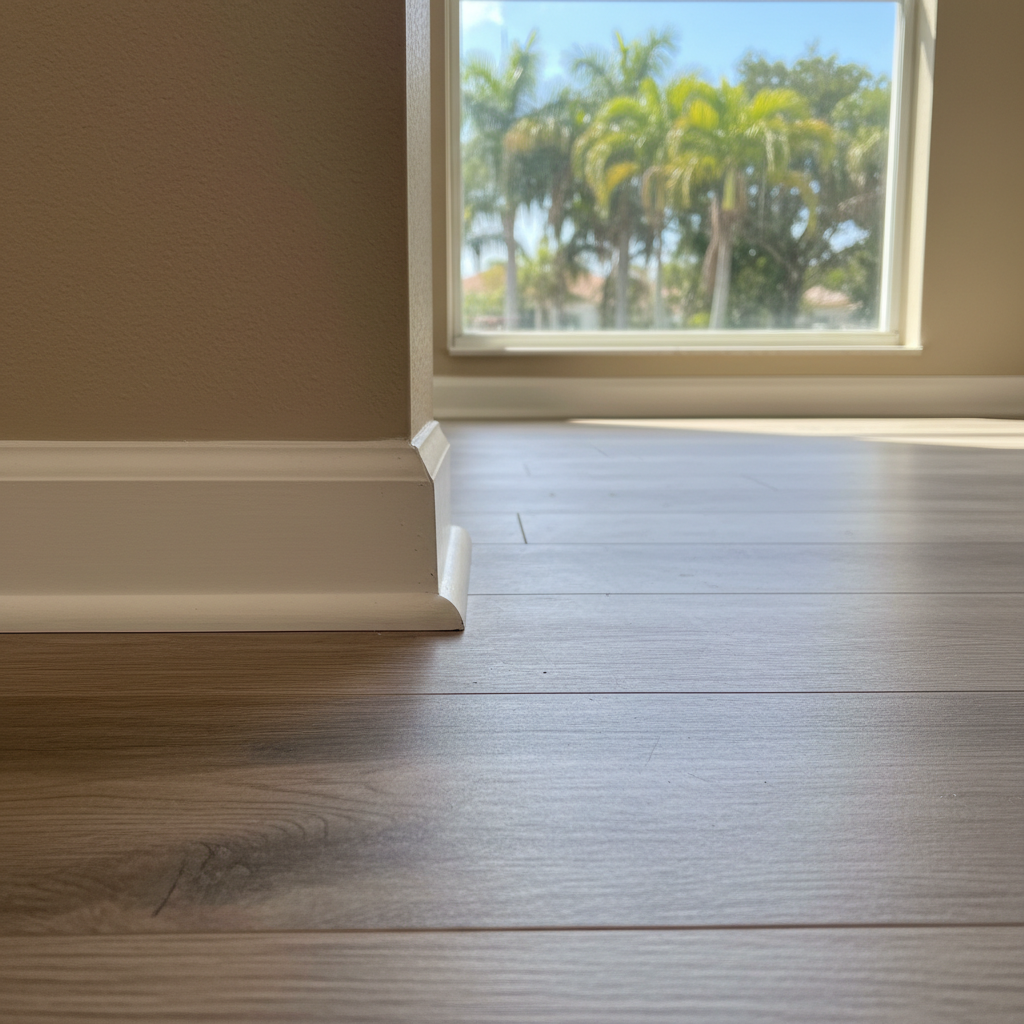
That's like asking how long a piece of string is, but I get why you're asking. The drying phase alone, if done properly, typically takes 3-5 days, sometimes longer depending on how saturated things are and the materials involved. After that, you're looking at the reconstruction phase. This could be anything from replacing a few sheets of drywall and some baseboards to a full gut and rebuild if the damage was severe. A small, contained incident might be fully restored in a couple of weeks. A major flood, especially if it involves extensive demolition, mold remediation, and structural repairs, could take months. It all depends on the scope of the damage, how quickly mitigation started, and how fast your insurance company processes things.
What's the deal with 'black water' and why is it so dangerous?
Okay, so water damage is categorized into three types. Category 1 is 'clean water' – think a burst supply line. Category 2 is 'gray water' – like an overflowing washing machine or toilet with urine but no feces. Then there's Category 3, which is 'black water.' This is seriously contaminated stuff. It comes from sewage backups, rising floodwaters from rivers or oceans, or any water that's been standing for a long time and is now teeming with bacteria, viruses, and other nasty pathogens. If your home is hit with black water, it's not just about drying; it's about disinfection and removing anything porous that came into contact with it. You absolutely cannot try to clean this yourself. It poses a significant health risk to you and your family, and requires specialized equipment and protocols to handle safely.
Will my home ever be truly 'normal' again after a flood?
That's a valid concern, and the answer is yes, it can be. Our goal at Absolute Restoration isn't just to dry out your home; it's to bring it back to its pre-damage condition, or even better. We use advanced drying techniques and thorough remediation processes to ensure all moisture is removed and any potential mold is addressed. Then, our reconstruction team comes in to repair or replace damaged materials. When we're done, your home should feel, look, and smell just like it did before the flood. We're talking about restoring your sense of calm along with your property.