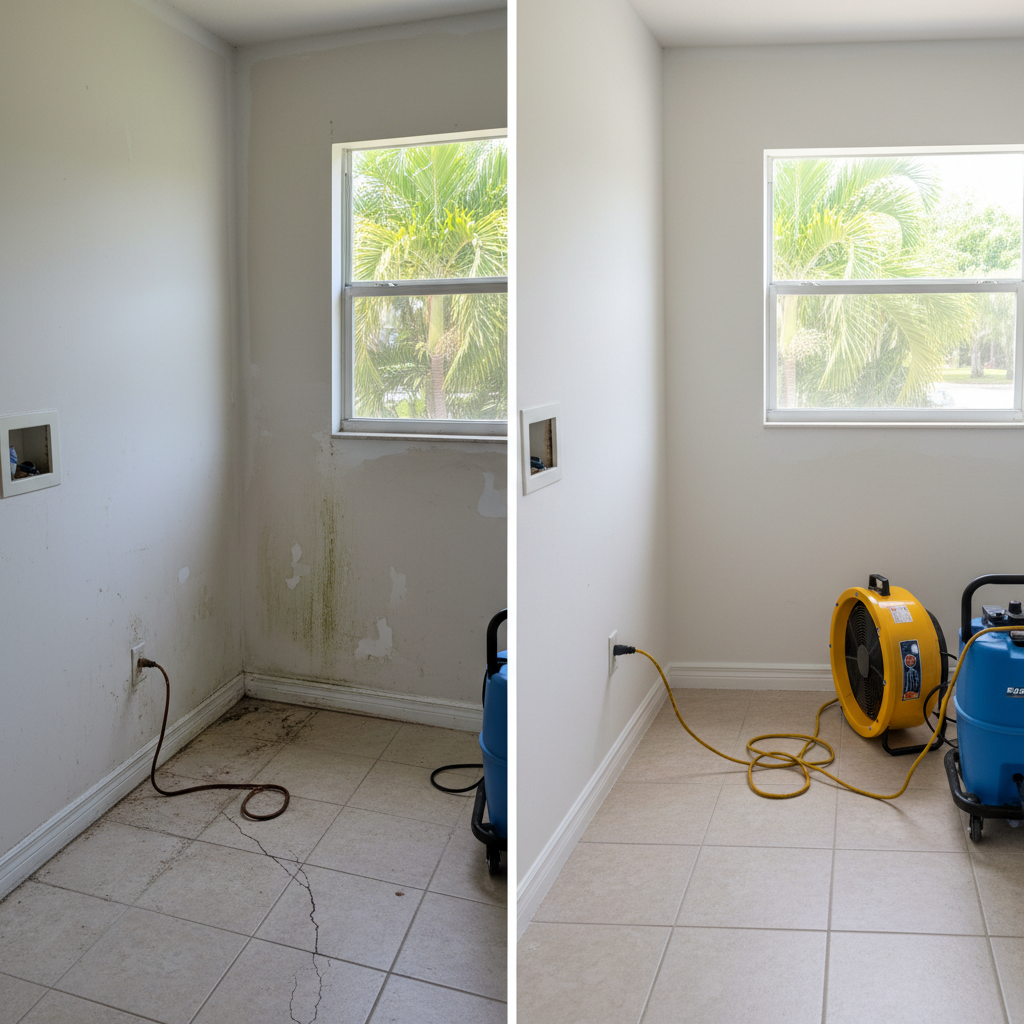
Your house just took on water. Maybe it was a burst pipe, a leaky roof after a summer storm, or even a slow, hidden leak. Now you've got a mess, sure, but more importantly, moisture is soaking into your walls, floors, and framing. Getting that moisture out fast and completely? That's the absolute most important step to prevent mold, rot, and long-term structural damage. You've probably heard about dehumidifiers, but we actually use two main types of heavy-duty drying equipment: refrigerant dehumidifiers and desiccant dehumidifiers. Let's break down what they are, how they work, and when each one makes the most sense.
Refrigerant Dehumidifiers: The Workhorse You Know
Most folks are familiar with refrigerant dehumidifiers. Why? Because they're the kind you can buy at a big box store for your garage or basement. They work by pulling humid air over a cold coil. The moisture in that air then condenses on the cold surface, just like water droplets form on a cold glass of iced tea on a hot Miramar afternoon. This condensed water drips into a pan or gets pumped away, and the now-drier, slightly warmer air blows back into the room. It’s a pretty straightforward process, really.
Cost: Generally, refrigerant units cost less to buy and run than desiccants. That's why they're so common. For smaller jobs or areas with moderate humidity, they're often our first choice.
Durability & Maintenance: They're pretty tough. But like any appliance, they need regular filter cleaning. The coils can get dirty, which cuts down on efficiency. We keep ours well-maintained, though homeowners often forget about their personal units.
Appearance: Not really a factor here. They're drying machines, not décor. You'll find them boxy and industrial-looking.
Performance: Here's the catch for us in South Florida. Refrigerant dehumidifiers work best in warmer, very humid conditions. Think 70-80 degrees Fahrenheit and 60% relative humidity or higher. As the temperature drops, or if the air isn't super saturated, their efficiency really drops off. If the air gets too cool, the coils can even freeze up, stopping the drying process altogether.
Desiccant Dehumidifiers: The Powerhouse for Tough Jobs
Desiccant dehumidifiers are a whole different beast. Instead of cooling the air, they use a special material — a desiccant — that literally absorbs moisture from the air. Think of those little silica gel packets you find in new shoes, but on a massive, industrial scale. The most common type uses a rotating wheel coated with desiccant material. As humid air passes through one section of the wheel, the desiccant sucks up the moisture. Then, a separate, heated airstream passes through another section of the wheel, drying out the desiccant so it can be used again. This super-humid air then vents outside the structure.
Cost: Desiccant units cost more to buy and generally use more energy to operate because of that heating element. However, their efficiency in certain conditions can make them more cost-effective in the long run.
Durability & Maintenance: They're built for heavy-duty, continuous use. Maintenance involves checking the desiccant wheel and making sure the heating elements are working correctly. They're very reliable when properly cared for.
Appearance: Again, purely functional, industrial machines.
Performance: This is where desiccants really shine, especially in Florida. They perform exceptionally well in cooler temperatures and at lower humidity levels where refrigerants just struggle. If we're trying to dry out a concrete slab in a garage or a wall cavity that's still damp but not dripping, or if the temperature inside has dropped because the AC's running or due to cooler weather, a desiccant unit can pull moisture out of the air that a refrigerant unit just can't touch. They can achieve much lower relative humidity levels, which is crucial for preventing mold and ensuring complete structural drying.
My Recommendation for Miramar Homes
For most water damage situations here in Miramar, especially after a significant event, you'll often see us using a combination of both. We'll start with powerful refrigerant dehumidifiers to pull out the bulk of the moisture quickly; they're very efficient in that initial, super wet phase. But as the drying progresses and humidity levels drop, or if we're dealing with hard-to-dry materials like the dense concrete typical of many older homes in areas like SilverLakes, that's when the desiccant dehumidifiers become absolutely essential.
They allow us to get the structure truly dry, down to the low moisture content needed to prevent future issues. You can't just stop when things feel dry; you need to get them scientifically dry. That's why Absolute Restoration invests in both types of equipment. We don't just throw a few fans and a cheap dehumidifier at your problem. We assess the specific conditions — temperature, humidity, and the types of materials affected — and deploy the right tools for the job to make sure your home is dried properly, every single time. It's about getting your home back to normal, and making sure it stays that way.