Don't get ripped off when your home floods.
Look, when a pipe bursts and water's gushing everywhere, or after a really heavy Miramar summer storm leaves your house soaking, your head's probably spinning. You need help, and you need it *now*. But that rush can make you an easy target for some real shady operators. I've seen it happen too many times, and honestly, it just grinds my gears. As a local guy running Absolute Restoration, I want to make sure you've got the right information to hire a legitimate, competent water damage restoration contractor. This isn't brain surgery, but it does take a little bit of homework.
What to Ask Before They Even Touch Your Property
You've got water, they've got a truck. Great. But before you let anyone start ripping into your drywall, you need to ask some tough questions. Don't be shy; it's your home and your money, after all.
- Are you licensed and insured for water damage restoration here in Florida? Get their license number. You can always look it up later.
- Do you actually specialize in water damage, or is this just one of a dozen things you do? You want someone who lives and breathes this stuff, not a general handyman.
- What certifications do your technicians hold? IICRC (Institute of Inspection, Cleaning and Restoration Certification) is the absolute gold standard. If they don't have it, that's a pretty big red flag.
- Can you give me local references? Not just a list, but actual people I can call who've used them recently in Miramar or nearby neighborhoods.
- How quickly can you get a crew out here, and what's your estimated response time for emergencies? When water's involved, every minute counts.
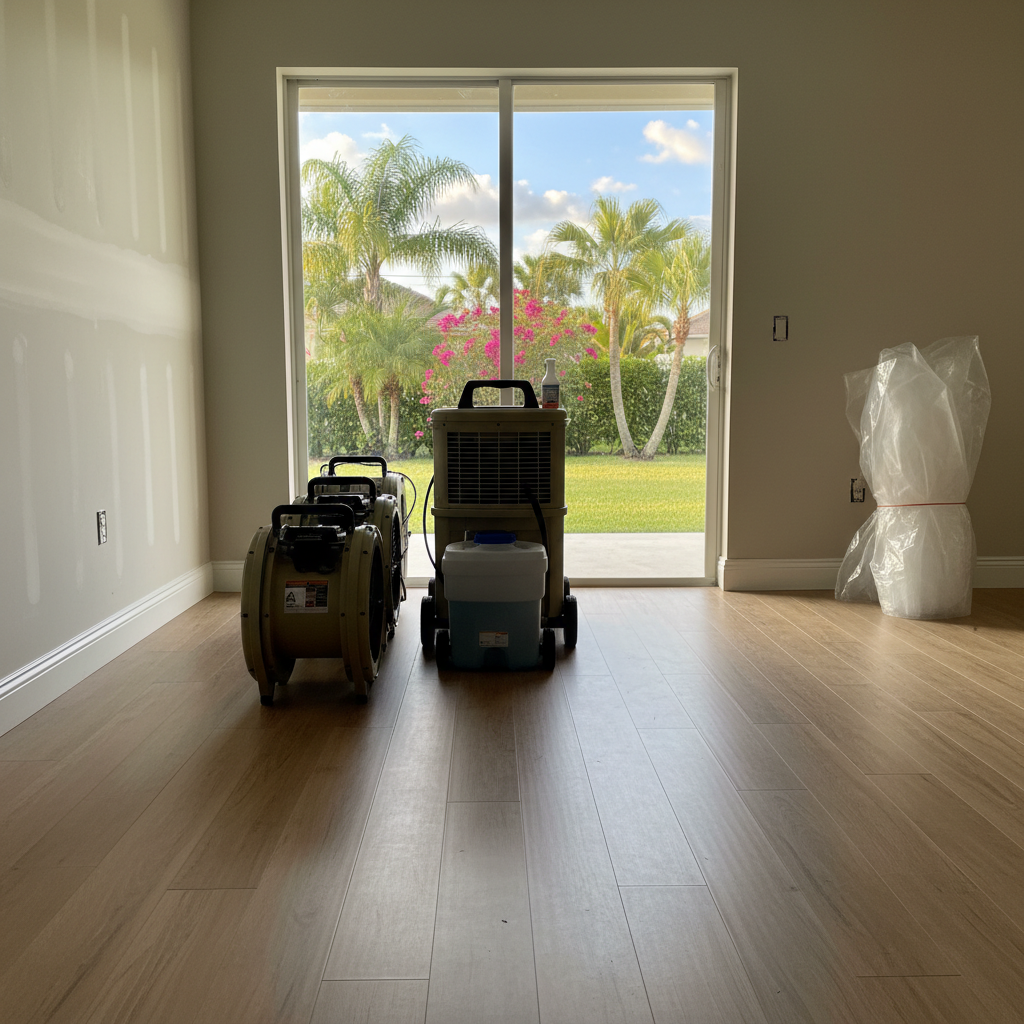
- What's your process for drying and restoration? They should be able to explain it clearly, from getting the water out to dehumidifying and structural drying.
- How do you handle talking with my insurance company? A good contractor will be able to work directly with them, saving you a huge headache.
Spotting Red Flags: Trust Your Gut
There are always folks trying to make a quick buck off someone else's bad luck. Keep an eye out for these warning signs:
- High-pressure sales tactics. "Sign now or the price goes up!" or "We're the only ones who can do this right!" — if you hear that, just run.
- Cash-only demands. Legitimate businesses don't usually operate this way, especially for big jobs like this.
- No physical address or only a P.O. Box. A real local business usually has a real local office, doesn't it?
- Unmarked vehicles or generic rental trucks. Professional companies brand their fleet; it's just what they do.
- Asking for a huge upfront payment. A reasonable deposit is fine, but if they want 50% or more before any work starts, be very wary.
- They discourage you from contacting your insurance company. This is a massive red flag. They might be trying to cut corners or inflate costs without any oversight.
- They don't want to provide a written estimate. No estimate, no deal. Period.
What a Good Quote Looks Like
Once they've checked out the damage, you should get a detailed, written estimate. Don't ever settle for a handshake and a number scribbled on a napkin. A solid quote will include:
- A breakdown of services. Every single step they're going to take, from getting the water out to renting drying equipment, demolition, and mold prevention.
- Itemized costs. This means showing you the cost for each piece of equipment, labor hours, and materials. You shouldn't see one big lump sum, that's for sure.
- Timeline. An estimated start and completion date.
- Payment schedule. How and when payments are expected.
- Warranty information. What guarantees do they offer on their work?
- Proof of insurance. They should attach their certificates of insurance for liability and workers' compensation.
Compare quotes, but don't just go for the cheapest one. Sometimes the lowest bid means they're cutting corners, and that'll cost you more in the long run. Especially around areas like SilverLakes, where homes often have stucco exteriors and can really hold moisture, you want someone who knows how to properly dry out all materials, not just the surface. That's key.
Verifying Legitimacy: Do Your Homework
It's actually pretty easy to check if someone is on the up-and-up:
- Check their license. For contractors in Florida, you can use the Florida Department of Business and Professional Regulation (DBPR) website.
- Look them up on the Better Business Bureau (BBB). See their rating and any complaints.
- Read online reviews. Google, Yelp, Facebook – see what other customers are saying. Don't just look at the star rating; read the actual comments, they tell you a lot.
- Call their references. Ask about their professionalism, how well they communicated, if they stuck to the budget, and the quality of their work.
Hiring a water damage contractor in Miramar shouldn't add to your stress. By asking the right questions and knowing what to look for, you can find a reputable company that will get your home back to normal without any extra headaches. Stay smart, stay safe.